


Arcade Machine Manufacturing Process Explained – From Materials to Delivery
For B2B buyers sourcing arcade machines, understanding the manufacturing process is far more than just a nice‑to‑know. Whether you're working with a dedicated game machine supplier or sourcing from a one‑stop arcade machine manufacture, knowing the steps behind production helps you assess quality, negotiate better pricing, select the right partner, and avoid costly mistakes.
In this article, we break down how an arcade machine (or game machine) is built-from raw materials and manufacturing steps to customisation and delivery. If you are an FEC game machine supplier, venue owner or procurement manager, this guide will equip you with the knowledge to ask the right questions and make informed decisions.
Materials Used in Arcade Machine Manufacturing
Cabinet Materials
The cabinet forms the structural backbone of every arcade game machine. Common materials include Medium‑Density Fibreboard (MDF), high‑grade plywood, and in more premium or high‑traffic applications, steel framing. MDF offers a smooth finish surface and cost‑effectiveness, plywood adds strength and durability, while steel frames maximise robustness but increase weight and cost.
When selecting materials, you should check specifications such as "18 mm MDF, E1 formaldehyde‑rated", or whether the steel is powder-coated for corrosion resistance. The surface finish-vinyl wrap, laminate veneer or high‑quality paint-also matters for aesthetics, wear resistance and ease of maintenance.
From a procurement standpoint, ask the potential manufacturer (or one‑stop arcade machine manufacture) how they source materials, whether they maintain traceability, and whether they hold certifications for fire‑resistance or formaldehyde emissions.
Electronic Components
No arcade machine is complete without its electronic heart: display, controls, power supply, wired harnesses and game board (PCB). Below is a table summarising typical components and key criteria for evaluation:
| Component | Typical Options | Key Procurement Criteria |
|---|---|---|
| Monitor/Display | LCD, LED, occasionally CRT | Resolution, refresh rate, brand reliability |
| Control Panel | Joysticks, buttons, trackballs | Durability rating (e.g., ≥1 million actuations) |
| Mainboard / PCB | Custom or off‑the‑shelf | Revision control, firmware versioning, traceability |
| Power Supply | 100‑240 VAC input, 12 V/5 V rails | Surge protection, CE/UL certification |
When working with a game machine supplier or FEC game machine supplier, you'll want clarity on brands used for critical parts (e.g., display manufacturer, joystick switch maker), mean time between failures (MTBF) for electronics, and serviceability of internal components.
Safety & Certification
Global B2B procurement of arcade machines demands compliance with international safety standards. For example, the technical standards for electronic gaming machines in Singapore specify immunity to electrostatic discharge (ESD) of at least 20 kV, and resilience against liquid spill events.
A reputable manufacturer will supply test reports, certification documentation (CE, UL, RoHS etc.), and label the product properly with serial number, model number, manufacturer name. As a buyer you should request copies of certification and ensure that materials and components used meet those requirements.


Step‑by‑Step Arcade Machine Manufacturing Process
Design & Conceptualization
The first step in the manufacturing process is design and concept. This includes everything from determining cabinet dimensions, player configuration (single vs dual), control panel layout, payment system (coin‑op, card, QR code), branding and thematic artwork.
In the B2B context-especially when working with a one‑stop arcade machine manufacture-you'll often be given a bill of materials (BOM), lead‑time estimates, and costing at this stage. For example, in a multi‑player redemption game you may request dual‑screen layout, longer operation hours, and higher durability controls. These decisions made early impact cost, production time and final quality.
After design approval, engineering drawings (often CAD) and a prototype sample may be produced. Review the prototype for ergonomics, stability, and aesthetic match with your venue.
Cabinet Fabrication
With design locked, fabrication begins. For wood‑based cabinets, CNC routers cut MDF or plywood panels to exact dimension; for steel frames, laser‑cut or plasma‑cut parts get welded or bolted together. Edge banding, sanding, priming, and finish painting or vinyl wrap are completed.
Assembly follows: doors, coin/bill acceptors, hinges, marquee lighting, service access panels are installed. Precision in assembly is key-poor alignment or weak joins will reduce lifespan, especially in high‑traffic entertainment venues.
Surface treatments also matter: adhesion quality of vinyl wrap, durability of laminate, corrosion protection on metal-all affect long‑term appearance and maintenance cost.
Electronics Assembly
Once the cabinet shell is ready, electronics are installed. The monitor is mounted, wiring loom organised, power supply connected, mainboard inserted, control panel fixed, coin or token mechanism integrated. Calibration (joystick neutral, button responsiveness, screen alignment, speaker levels) occurs next.
Many manufacturing facilities include a "burn‑in" test-running each unit continuously (for example 24 hours or longer) to catch early component failures. This reduces warranty claims for the buyer.
From a procurement viewpoint, ask the supplier about test logs, failure rate during burn‑in, ease of service (how easy to replace a board or screen) and availability of spare parts.
Quality Inspection
Quality control is essential to ensure reliability and safety. Inspection steps typically include:
Mechanical durability: doors opened/closed thousands of times, vibration or tilt testing, lock robustness verified.
Electronic testing: Button/joystick actuation counts, screen uniformity, audio clarity, EMI/ESD compliance.
Safety checks: Insulation, grounding, no sharp edges, fire‑resistant material usage.
Certification/labeling: Compliance markings, traceability labels, user manual included.
Often, an inspection report with photos and test results is generated and shared with the B2B buyer before shipment. As a procurement manager, insist on detailed QC records and clarify how the manufacturer handles defective units or returns.
Packaging & Delivery
Proper packaging is vital to protect the machine during transport-especially when shipping internationally. For instance: heavy‑duty wooden crates, internal foam supports, screens and control panels wrapped, coin doors locked down, crates labelled "Fragile / Team Lift".
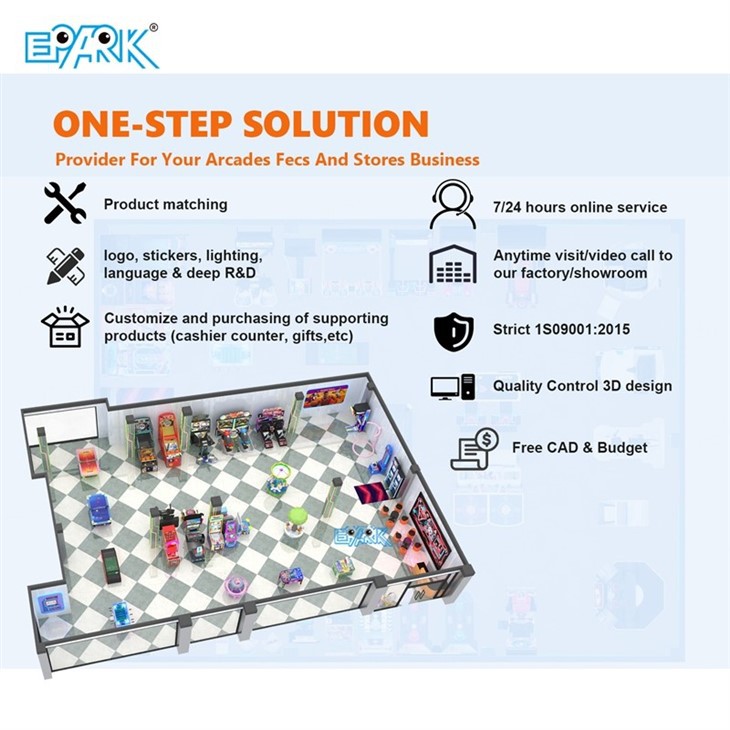
Important shipping documentation includes packing list, certificate of origin, inspection certificate, and customs compliance. For a full solution including venue layout, warranty, and on‑site installation, working with a one‑stop arcade machine manufacture simplifies shipping logistics, customs clearance, and installation.
From the buyer side, ensure that shipping terms (FOB, CIF), lead‑times, and delivery responsibilities are clearly defined in the contract.
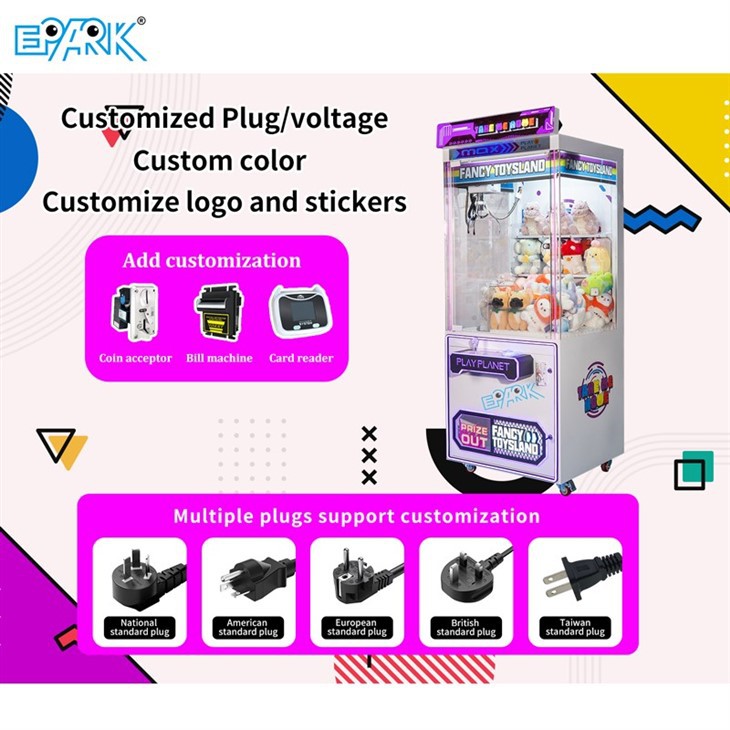
Customization Options for B2B Buyers
Customization is a major differentiator when sourcing arcade machines. As a game machine supplier targeting venues, you will want options tailored to your brand, space and audience. Common customization choices:
Themed artwork or branding on side panels, marquee, control overlays.
Control layout customisation: e.g., fighting game layout with 6 buttons, trackball for retro games, or dual‑player dance pad.
Payment system options: coin‑op, token, cashless (card or QR code), ticket redemption integration.
Software configurations: single‑game vs multi‑game board, remote update functionality, networked leader‑boards.
Cabinet variations: upright, sit‑down, cocktail style, wall‑mount.
Customization affects cost and lead‑time. Below is an illustrative table:
| Customization Element | Lead‑Time Impact | Cost Premium |
|---|---|---|
| Branded Side Panel Graphics | +1 week | +5‑10% |
| Dual‑Player Special Control | +3 days | +3‑4% |
| Cashless Payment System | +2 weeks | +7‑12% |
| Non‑standard Cabinet Size | +2‑3 weeks | +10‑15% |
When working with your arcade machine supplier (or one‑stop arcade machine manufacture), request a customization breakdown-what is "standard", what adds to cost, what affects delivery. This allows you to manage budget and schedule accurately.
From materials selection (cabinet frame, electronics, finishes) through production (fabrication, assembly, testing) to shipping and installation, the manufacturing process of an arcade machine is intricate-and for B2B buyers choosing a game machine or an FEC game machine supplier, that process matters. By understanding each phase you'll be equipped to evaluate potential suppliers, ask the right questions: Are certified materials used? Are electronics burn‑tested? Do they offer full documentation? Will customization impact cost or lead‑time?
In short: knowledge of the manufacturing process enables you to negotiate smarter, reduce risk, and ensure your investment in arcade machines yields long‑term value instead of short‑term problems.
Ready to work with a trusted partner? At EPARK, we've been specialising in export of arcade machines for over 13 years, offering certified materials, full customisation, and one‑stop solutions-from design to delivery. Visit our Products Page to view our full range of game machines or check out our Blog for more insights. Contact us today to request a quotation, discuss your venue needs, and let us turn your arcade vision into a reliable, high‑performing reality.
